Most people asking “do I need braces in Richmond, VA?” already have a feeling. Something about their bite, their front teeth, the way their jaw clicks when they chew, the way they tuck their smile in photos. They are not looking for a sales pitch. They want an honest answer. Because your smile is one of the first things people see when they look at you!
That is what this page is for. The person that’s always noticed a few teeth were a little crooked but didn’t know if it was worth fixing.
Richmond Pediatric Dentistry & Orthodontics has been answering this question for Richmond-area families for over 100 years, across our Short Pump, Mechanicsville, Midlothian, and Patterson Avenue orthodontic offices. Some people we see need braces or clear aligners. Some do not. Some could benefit but do not have to decide today.
Our goal here is not to convince you either way. It is to give you enough real information to figure out where you fall before you step into a consultation room.
Free at all four orthodontic offices. No referral needed.
How to Know If You Need Braces: A 60-Second Self-Check
Before we get into detail, here is a quick check you can do in front of a mirror. Grab a flashlight if you have one handy.
Close your mouth so your back teeth gently touch. Look at how your front teeth line up.
- Do your top front teeth cover more than about a third of your bottom teeth? That is a deep bite or overbite.
- Do your bottom teeth sit in front of your top teeth? That is an underbite.
- Do your top front teeth stick out noticeably past your bottom teeth? That is an overjet.
- Is there a visible gap between your top and bottom front teeth even when you bite down? That is an open bite.
- Do some of your teeth meet their partner on the other side while others cross behind? That is a crossbite.
Now open your mouth and look at the teeth themselves.
- Do any teeth overlap, twist, or stick out past the others?
- Are there noticeable gaps between teeth that used to be closed?
- Does flossing catch or tear in certain spots no matter how careful you are?
Finally, notice how your jaw feels.
- Does it click, pop, or shift when you open and close?
- Do you wake up with a sore jaw or headaches around your temples?
- Do you chew mostly on one side because the other side does not feel right?
If you answered yes to two or more of these, orthodontic treatment is probably worth a real conversation. One yes is worth an evaluation. Zero yeses, and your teeth and bite are likely in good shape, though a professional eye will catch things a mirror cannot.
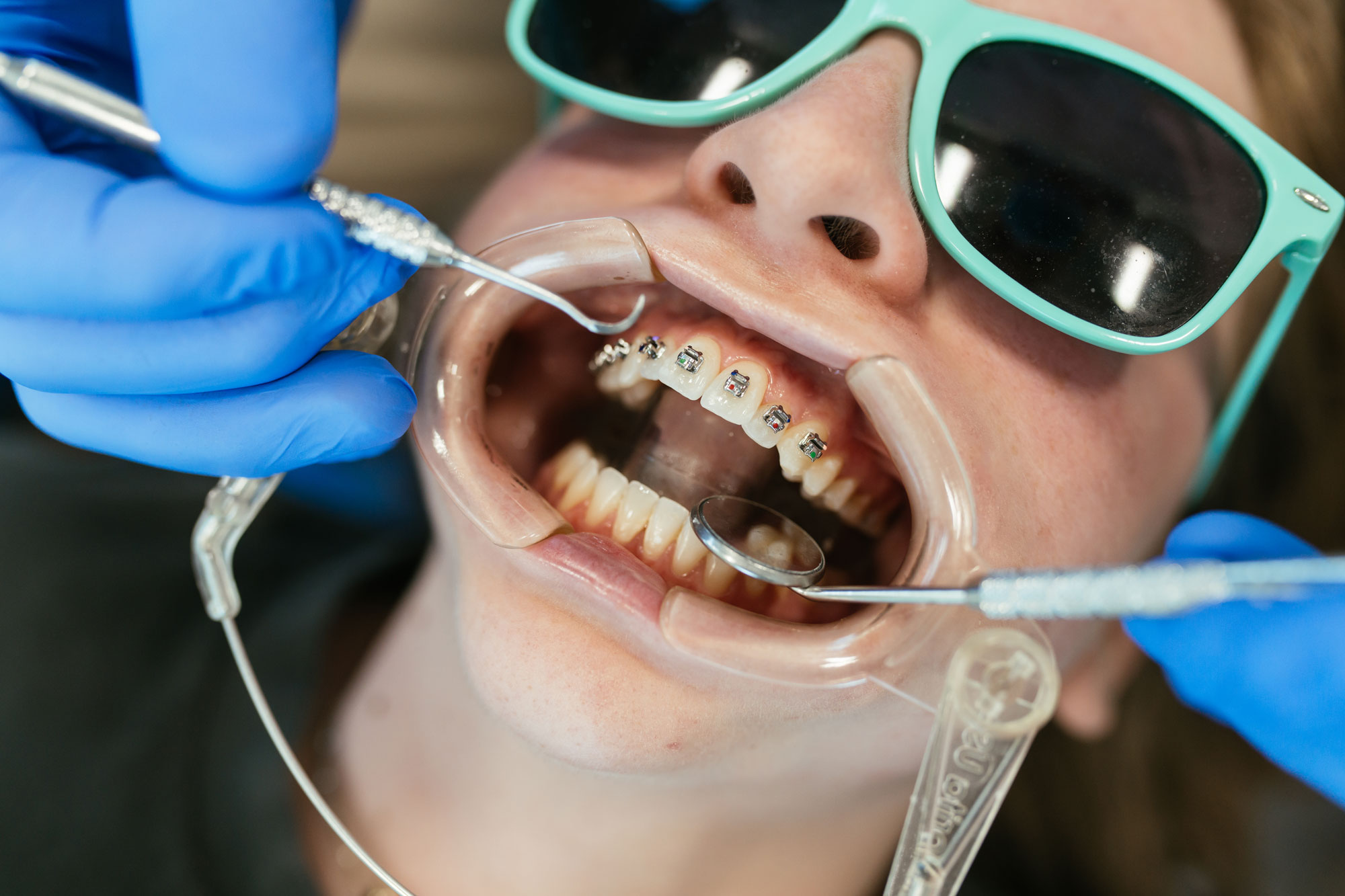
Do you need braces? Take the 60-second check
Six quick questions. No email required, and nothing is saved or sent anywhere.
Close your mouth so your back teeth touch. How do your front teeth line up?
A mirror helps here.
What you flagged
This self-check is general education, not a diagnosis. Only an orthodontic exam can confirm what is actually going on with your teeth and bite.
Common Signs You May Need Braces
You may need braces if you have crowded or crooked teeth, noticeable gaps, a bite that does not line up, or jaw pain tied to how your teeth meet when you close your mouth. These are the patterns we see most often at our Richmond-area orthodontic offices.
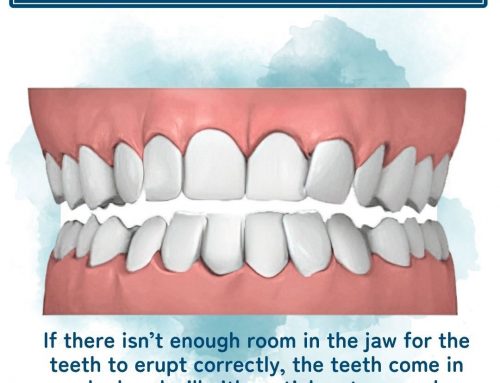
Crowding or spacing. Teeth overlap, twist, or leave gaps wide enough to trap food between them. This is the most common reason adults and teens in Richmond ask us about braces and Invisalign.
Misaligned bite. Your top and bottom teeth do not meet correctly when you close your mouth. There are five main bite problems an orthodontist looks for:
| Bite type | What it looks like | Why it matters |
|---|---|---|
| Overbite | Top front teeth cover more than about a third of the bottom teeth when you close your mouth | Can cause uneven wear on the lower teeth and strain on the jaw over time |
| Underbite | Bottom teeth sit in front of the top teeth when you close | Affects chewing and facial balance, and is much easier to correct while the jaw is still growing |
| Overjet | Top front teeth stick out noticeably past the bottom teeth | Puts the front teeth at higher risk of injury and can affect speech and lip closure |
| Open bite | A visible gap between the top and bottom front teeth even when the back teeth are touching | Can make biting into food difficult and is often tied to tongue posture or thumb-sucking history |
| Crossbite | One or more upper teeth bite inside the lower teeth instead of outside | Can cause uneven jaw growth, accelerated tooth wear, and a jaw that shifts sideways when closing |
Overbite
What it looks like
Top front teeth cover more than about a third of the bottom teeth when you close your mouth.
Why it matters
Can cause uneven wear on the lower teeth and strain on the jaw over time.
Underbite
What it looks like
Bottom teeth sit in front of the top teeth when you close.
Why it matters
Affects chewing and facial balance, and is much easier to correct while the jaw is still growing.
What it looks like
Top front teeth stick out noticeably past the bottom teeth.
Why it matters
Puts the front teeth at higher risk of injury and can affect speech and lip closure.
What it looks like
A visible gap between the top and bottom front teeth even when the back teeth are touching.
Why it matters
Can make biting into food difficult and is often tied to tongue posture or thumb-sucking history.
Crossbite
What it looks like
One or more upper teeth bite inside the lower teeth instead of outside.
Why it matters
Can cause uneven jaw growth, accelerated tooth wear, and a jaw that shifts sideways when closing.
Jaw pain or clicking. TMJ soreness, tension headaches, or a jaw that shifts, pops, or clicks when you open and close. In some cases, these symptoms improve when bite issues are corrected.
Airway and breathing issues. Chronic mouth breathing, snoring, or restless sleep can be tied to a narrow palate, tongue posture, or jaw development. Our orthodontists screen for these concerns as part of airway-focused orthodontics in Richmond.
Functional issues. Difficulty chewing, chronic cheek or tongue biting, or a lisp tied to tooth position.
Persistent shifting. Teeth have visibly drifted since you were a teenager, often after retainer wear fell off.
Hygiene difficulty. You cannot floss or clean between certain teeth, and cavities or gum inflammation keep returning in the same spots.
If one of these describes you, a consultation will tell you whether treatment is actually needed. If several describe you, treatment is almost certainly worth a conversation.
You leave with a yes, a no, or a not yet. Nothing else.
Does My Child Need Braces? Signs Parents in Richmond Should Watch For
Parents searching "does my child need braces" usually notice something specific: a front tooth coming in crooked, a bite that looks off, a kid who breathes through their mouth while they sleep, or a dentist's passing comment at a cleaning visit.
The American Association of Orthodontists recommends a first orthodontic evaluation by age seven. At that age, most children have a mix of baby and adult teeth, which is when our orthodontists can catch things that are much easier to fix while the jaw is still growing.
Signs to watch for in a child:
- Crowding so severe that adult teeth are erupting in front of or behind each other
- A visible underbite (lower teeth in front of upper teeth) at any age
- A crossbite where the upper teeth bite inside the lower teeth on one or both sides
- Severe overjet, where the top front teeth protrude and are at higher risk of injury from falls or sports
- Mouth breathing, snoring, or restless sleep that a pediatrician or pediatric dentist has flagged
- Persistent thumb or finger sucking past age four
- A jaw that shifts sideways when the child opens or closes
- Baby teeth lost much earlier or later than expected, which can crowd the adult teeth that come in behind them
In most of these cases, an evaluation does not mean immediate treatment. For many kids, we simply monitor growth and only start when it is genuinely needed. For a narrow set of issues, early orthodontic treatment or Phase 1 treatment can prevent bigger problems and shorter treatment later. The stages of orthodontic treatment for children walks through what that actually looks like.
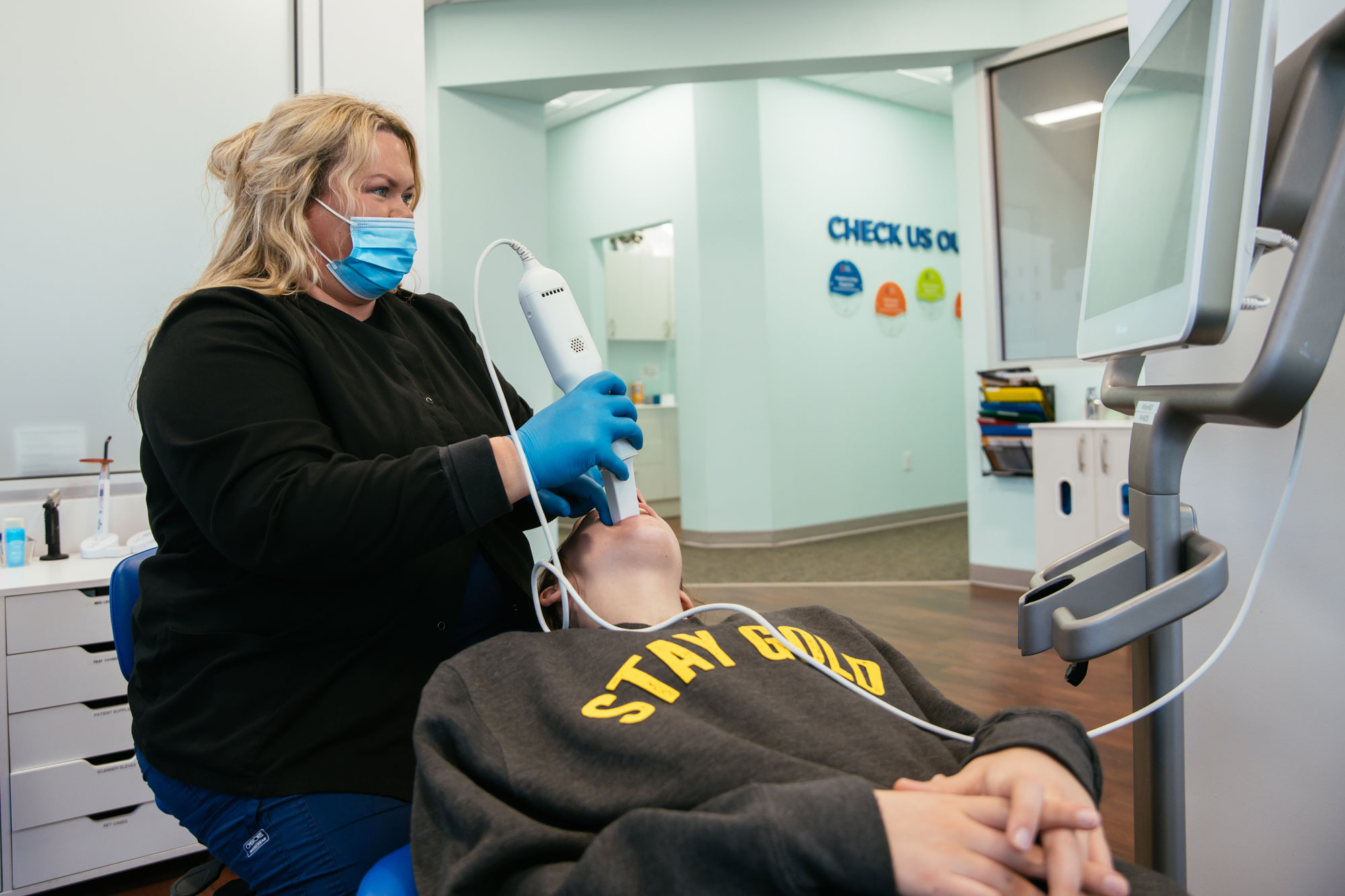
Watch
When should a child get checked?
If you're asking this question for your child, timing matters more than most parents expect. Here's the short answer on when to come in.
You Probably Do Not Need Braces If...
Most orthodontic pages will not tell you this part. We will.
You probably do not need braces if your teeth are slightly imperfect but do not bother you cosmetically, clean easily, and your bite functions normally. Minor rotations or a small gap that has been stable for years, with no jaw pain, no uneven wear, and no trouble flossing, often do not require treatment. A healthy smile does not have to be a textbook smile.
You also do not automatically need braces just because:
- You had them as a kid and your teeth shifted slightly. A small relapse sometimes just needs a retainer, not a full round of treatment.
- Your dentist mentioned "a little crowding." Mention does not mean emergency. An orthodontist can tell you if it is stable or progressing.
- One tooth is slightly out of line. Cosmetic concerns are valid, but they are a want, not a need, and it is worth knowing the difference before committing to treatment.
The question is not whether your teeth are perfect. It is whether what you have is causing problems, or will cause problems, if left alone.
Do You Need Braces, or Do You Just Want Straighter Teeth?
This distinction matters because it shapes the whole conversation.
You need braces when your teeth or bite are actively causing functional problems: uneven wear, trouble cleaning, jaw pain, speech or chewing issues, teeth that are shifting, or bite patterns that will worsen without treatment. In these cases, orthodontics protects the teeth and joints you already have.
You want braces when your teeth work fine but you do not like how they look. That is a completely valid reason to pursue treatment. Orthodontic treatment for cosmetic goals is common across every age group, and the outcome is just as real. The difference is that a cosmetic case is never urgent, which gives you more room to think, plan, and choose the timing that fits your life.
Most people land somewhere in between. Part functional, part cosmetic. An orthodontist can tell you which bucket your case falls into and help you weigh the trade-offs.
When Braces Are Clearly Worth It
On the other end, there are situations where orthodontic treatment is not just cosmetic. It protects the teeth and joints you already have.
Your bite is wearing your teeth down unevenly. If your dentist has pointed out flat spots, chipped enamel, or a tooth that is worn shorter than the others, that is usually a bite problem. Correcting it now is far cheaper than replacing teeth later.
You have jaw pain, clicking, or headaches tied to how you bite. TMJ-style symptoms are not always caused by the bite, but when they are, orthodontics can provide real relief.
You cannot clean certain areas properly. Crowded teeth trap plaque. Teeth you cannot floss between reliably develop cavities and gum issues that keep coming back no matter how well you brush.
Your teeth are shifting noticeably as an adult. This happens more than people realize, usually due to lost teeth, gum changes, or old orthodontic work that drifted without retainer wear. Catching it early means a shorter fix. This is one of the most common cases we treat under adult orthodontics.
Your child has a bite problem showing up between ages seven and ten. Early evaluation is not the same as early treatment. Most of the time we watch and wait. But for specific issues like underbites, severe crossbites, significant overjet, or impacted teeth, correcting them while the jaw is still growing prevents bigger problems later.
You are self-conscious to the point that it affects you. If you are hiding your smile in photos, covering your mouth when you laugh, or turning down situations because you hate how your teeth look, that is not vanity. That is quality of life. It counts.
Pick the office that is easiest to get to. All four offer free consults.
The Gray Area: You Could Benefit, But You May Not Need Treatment Yet
This is where most Richmond-area patients actually land, and it is the category nobody writes about.
You have some crowding. Some gaps. A slight overbite. Nothing is actively hurting. Your teeth work fine. But you wonder if you should fix it while you still can, or before it gets worse.
Here is the honest answer: for most people in this category, there is no emergency. You have time to think about it, look into financing, talk to your family, and come back in six months. Teeth do not fall out because of mild crowding. You are not running out the door.
That said, mild crowding and shifting can become more noticeable over time, especially in adulthood, and treatment can get longer and more complex the longer you wait. If you are in the gray area and you have been thinking about it for years, a consultation tells you what is actually happening so you can make the decision with real information instead of guessing.
We are not going to push you. That is not how we work.
Not sure which side of the line you fall on?
That is what a consultation is for. An orthodontist will tell you whether treatment is recommended, optional, or not needed at all.
Free, no referral needed, and nothing gets scheduled unless you ask.
If You Do Need Treatment, Will It Be Braces or Invisalign?
This is the natural next question once someone decides treatment makes sense, and it comes up at almost every consultation.
Most bite and alignment problems can be corrected with either braces or clear aligners. The right choice depends on your specific case, not just preference:
- Mild to moderate crowding or spacing is often treatable with clear aligners like Invisalign or Spark.
- More complex bite correction, significant tooth rotation, or cases involving growing jaws may respond better to braces.
- Lifestyle factors matter too. Aligners require discipline to wear 22 hours a day. Braces do the work whether you think about them or not.
At your consultation, our orthodontists walk you through which option fits your case clinically and why. If both are viable, the choice is yours. Invisalign in Richmond covers the clear aligner side in more depth.
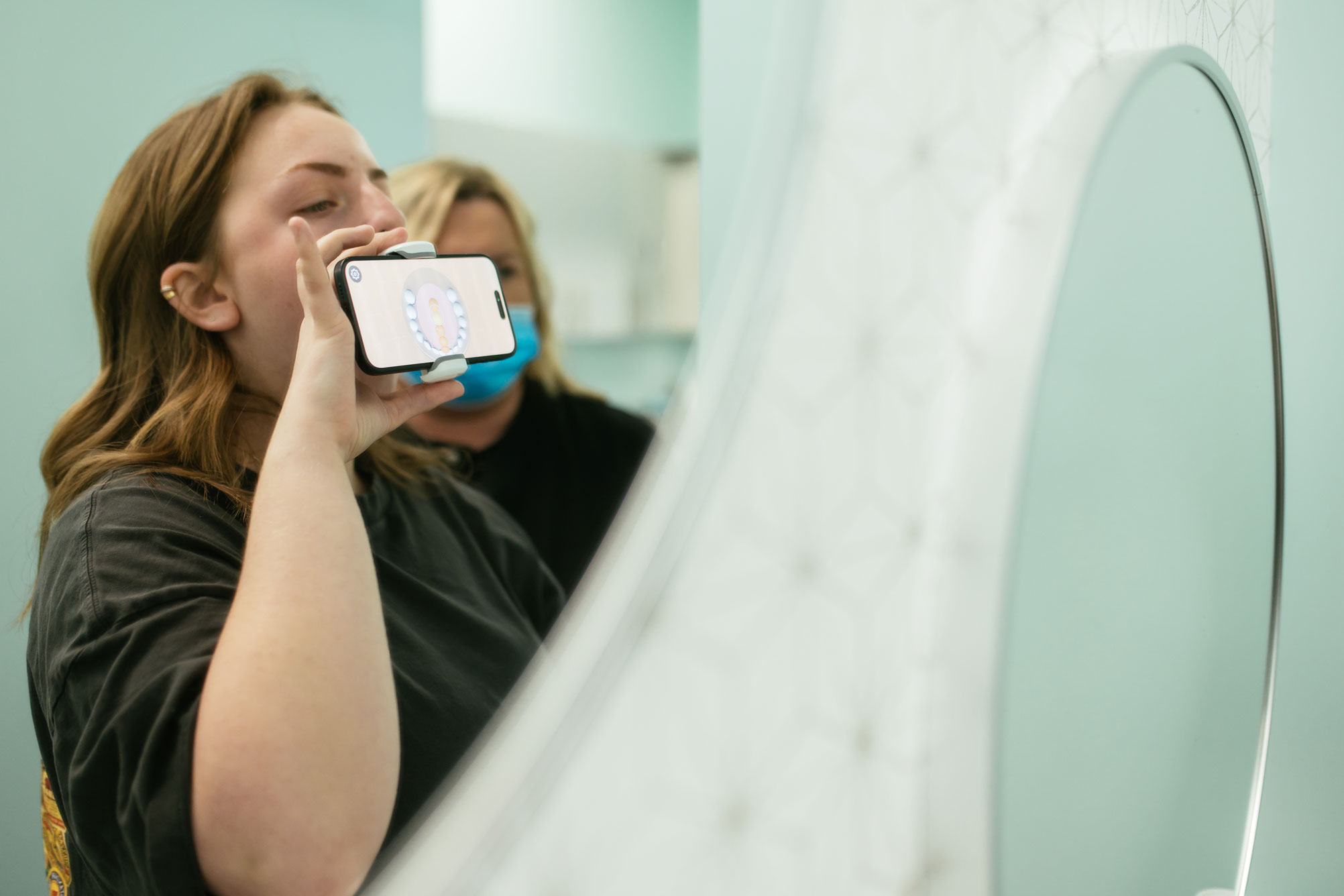
One thing that applies either way: we use the Dental Monitoring app to track progress from home for both braces and aligner patients. You take a quick scan with your phone about once a week, and your orthodontist reviews it between visits. It means problems get caught earlier and you come into the office when there is actually something to do, rather than on a fixed six-week calendar.
When a Self-Check Is Not Enough
A mirror can show you crowding, gaps, and obvious bite issues. It cannot show impacted teeth, root position, jaw joint health, or how your bite is affecting the teeth over time.
If you have ongoing jaw discomfort, a bite that feels off, teeth that are visibly shifting, or a child whose bite looks noticeably uneven, an orthodontic evaluation gives you a clear answer faster than continuing to guess.
What Happens at a Braces Consultation in Richmond, VA
A lot of people avoid scheduling a consultation because they think it commits them to something. It does not. Our orthodontic consultations are free, with no obligation to start treatment.
What a free consultation actually looks like
The exam
An orthodontist looks at your teeth, bite, and jaw, and takes the digital records needed to see what a mirror cannot.
The honest answer
You find out whether treatment is recommended, optional, or not needed. If it is not needed, we say so.
The numbers
If treatment makes sense, you get a timeline and a real cost breakdown with your insurance already applied.
Most people go home and think about it. Nothing is scheduled unless you ask for it.
At any of our Short Pump, Mechanicsville, Midlothian, or Patterson Avenue offices, an orthodontic consultation is exactly what it sounds like. One of our specialty-trained orthodontists will look at your teeth and bite, take the digital records needed to see what is going on, and tell you honestly what they see. What to expect at your consultation walks through the full visit if you want to know before you go.
You will leave with three things:
- A clear answer on whether treatment is recommended, optional, or not needed.
- If treatment is recommended, a realistic timeline and the options that fit your case, whether that is braces, clear aligners, or something more specialized.
- A cost breakdown with insurance benefits factored in and the monthly payment options available to you.
You are free to think about it. Most people do. Nothing gets scheduled unless you ask.
Short Pump, Mechanicsville, Midlothian, and Patterson Avenue.
How Much Do Braces Cost in Richmond, VA?
Cost is usually the first question people ask and the last one most practices answer clearly.
Braces and Invisalign at RPDO fall within the typical Greater Richmond range, with the final number depending on the complexity of the case, how long treatment takes, and which option is the best clinical fit. Most dental insurance plans include an orthodontic benefit, and we apply it at the consultation so you see the real number, not a sticker price. Flexible monthly payment plans are the norm, not the exception.
Cost should not be the reason you do not find out what is going on. Our consultations are free and low pressure, and knowing is almost always better than guessing. How much do braces cost in Richmond, VA breaks down the full picture case by case.
What Richmond families say after their first visit
Reviews from patients across our Short Pump, Mechanicsville, Midlothian, and Patterson Avenue offices.
Who Typically Asks "Do I Need Braces?" in Richmond
Understanding who else is asking might help you figure out where you fit.
Parents of kids ages seven to twelve whose pediatric dentist mentioned that their child might need braces "eventually" and who want a real assessment. This is often a wait-and-monitor situation, not an immediate treatment call.
Teenagers whose friends already have braces or Invisalign and who have started wondering if it is their turn. The answer is often yes if crowding or a bite problem exists, and the teen years are the most efficient time to correct things.
Adults in their 30s, 40s, and 50s who never got treatment as kids and have been thinking about it for years. Modern Invisalign and discreet brace options have made adult orthodontics in Virginia far more manageable than the metal-mouth experience many remember from middle school.
People whose teeth have shifted after previous orthodontic work. Retainer wear drops off, teeth drift, and eventually the smile you had at 18 is not the smile you have at 35. This group often needs shorter treatment than they fear.
Had Braces Before and Your Teeth Shifted?
You are not alone. Many adults in Richmond ask about braces again after their teeth have moved following years without retainer wear. In some cases, a new retainer is enough to hold things where they are. In others, limited orthodontic treatment can correct the relapse before it gets worse. An evaluation tells you which category you fall into and how long the fix would take, which is usually a lot less than patients expect.
Frequently Asked Questions About Needing Braces
How do I know if I really need braces?
You may need braces if you have crowded teeth, gaps, bite problems, jaw discomfort, uneven wear, or trouble cleaning between certain teeth. The only way to know for sure is an orthodontic evaluation, because some issues are not visible in the mirror. If you are seeing any of these signals, a free consultation at any of our Richmond-area offices gives you the actual answer without committing you to anything.
What are the signs you need braces?
The most common signs you need braces are crowded or crooked teeth, gaps that trap food, a bite that does not line up (overbite, underbite, open bite, overjet, or crossbite), jaw pain or clicking, cheek biting while eating, and teeth that have visibly shifted over time. Any one of these is worth an evaluation.
Can I tell at home, or do I need an x-ray?
You can spot most obvious alignment and bite issues in a mirror. What you cannot see are things like impacted teeth, root position, jaw joint condition, and early bone-level changes. An orthodontic exam combines what you can see with what imaging reveals, which is why a professional opinion is worth more than a self-check alone.
Does my child need braces at age seven?
Probably not yet, but age seven is the right time for a first evaluation. The American Association of Orthodontists recommends this age because a few specific issues like underbites, severe crossbites, and significant overjet are easier to correct while the jaw is still growing. For most kids we see in Richmond, we simply monitor growth until treatment is actually needed.
Am I too old to get braces?
No. Healthy teeth can be moved successfully in adulthood, which is why braces and clear aligners are common well beyond the teen years. Adult treatment is often slightly slower than teen treatment because the bone is denser, but outcomes are just as good. A meaningful portion of our adult orthodontic patients across the Richmond metro area are correcting things they have lived with for years.
How much do braces cost in Richmond, VA?
Exact pricing depends on the complexity of your case, the treatment option chosen, and your insurance coverage. Our cost guide for Richmond braces walks through what drives the final number and how our payment plans work.
Can I get braces without a dentist referral?
Yes. You can request an appointment directly. Many Richmond patients come to us after a dentist mentions something, but a referral is not required.
Can Invisalign fix the same problems as braces?
In most cases, yes. We treat a wide range of complexity with clear aligners, including overbites, underbites, open bites, and significant crowding. The recommendation at your consultation is based on what fits your case clinically, not on what costs more.
What if my dentist said I don't need braces but I still want them?
That is a legitimate reason to come in. Dentists and orthodontists evaluate differently, and cosmetic goals are valid even when clinical necessity is not there. An orthodontist can walk you through what is possible, what is worth it, and what you can skip.
How long does treatment usually take?
Most cases run 12 to 24 months. Simple cases finish in six to nine months. Complex cases occasionally go longer. Timeline is part of what you will learn at the consultation so you know what you are looking at before deciding.
Are braces necessary or just cosmetic?
Both, depending on the case. For some patients, braces correct a bite problem that is causing uneven tooth wear, gum issues, jaw pain, or difficulty cleaning. For others, the concern is cosmetic. An orthodontist can tell you which category you fall into, and both are valid reasons to pursue treatment.
Can braces fix an underbite?
Yes. Braces can correct underbites by gradually shifting the lower teeth back and the upper teeth forward. Severe underbites caused by jaw size differences sometimes require a combination of orthodontics and jaw surgery, but most underbites we see in Richmond are treatable with braces or clear aligners alone, especially when caught while the jaw is still growing.
Do braces hurt?
Not during placement. Getting braces put on is painless. Most patients feel mild pressure and soreness for three to seven days after braces are first placed, and for one to three days after each adjustment. The sensation is usually described as a dull ache rather than sharp pain, and it is managed easily with over-the-counter pain relievers and soft foods. If significant pain lasts more than a week, that is not typical and worth calling our office about.
Can I pay monthly for braces?
Yes. We offer flexible in-house payment plans for braces and Invisalign at all four of our orthodontic locations. Monthly payment amounts depend on the total cost of your case, your insurance benefits, and the down payment you choose. Most families pay in monthly installments spread across the length of treatment rather than up front.
Do I need a second opinion if my dentist recommended braces?
Not necessarily, but it is always reasonable to get one. An orthodontist evaluates bite and alignment differently than a general dentist and can confirm whether treatment is actually indicated, optional, or not needed. Second opinions are especially worth getting if you are being told you need extensive treatment, tooth extractions, or jaw surgery, or if something about the plan does not feel right. Our consultations are free whether you are just starting to look or comparing against another recommendation.
Will I have to come into the office every six weeks?
Not necessarily. We use the Dental Monitoring app, which lets you scan your teeth at home with your phone about once a week so your orthodontist can check progress between visits. In-office appointments are still part of treatment, but they get scheduled around what your case actually needs instead of a fixed calendar. For families juggling school and sports, or college students away during treatment, that removes a real barrier.
Schedule Your Consultation in Short Pump, Mechanicsville, Midlothian, or Patterson Avenue
Whether you are ready to start treatment or you just want to know where you actually stand, a free consultation gives you the answer. No commitment. No pressure.
What you will get:
- A real answer on whether braces or Invisalign are actually needed
- Treatment options and a realistic timeline if they are
- A full cost breakdown with insurance factored in
- No referral required and no cost for the consultation itself
Richmond Pediatric Dentistry & Orthodontics has been helping local families build healthy smiles for over 100 years, with orthodontic care available at our Short Pump, Mechanicsville, Midlothian, and Patterson Avenue locations. Request an appointment online at whichever office is most convenient.
Four orthodontic offices across Greater Richmond
Pick whichever is easiest to get to. Consultations are free at all four.
Short Pump
12270 W Broad St, Richmond, VA 23233
Mon 7:30 to 5:00, Tue 8:00 to 5:00, Wed 7:30 to 5:00, Thu 8:00 to 5:00, Fri 7:30 to 1:00
Mechanicsville
7521 Right Flank Rd #110, Mechanicsville, VA 23116
Mon to Thu 8:00 to 5:00, Fri 8:00 to 1:00
Midlothian
13901 Coalfield Commons Pl, Suite 101, Midlothian, VA 23114
Tue 7:30 to 4:30, Wed 8:00 to 5:00, Thu 7:30 to 4:30
Serving Richmond, Short Pump, Mechanicsville, Midlothian, Glen Allen, Henrico County, Hanover County, Chesterfield County, and the Greater Richmond metro area.
Find out where you actually stand
Whether you are ready to start or you just want a straight answer, the consultation is free and the pressure is zero.
- A real answer on whether braces or Invisalign are needed
- Treatment options and a realistic timeline if they are
- A full cost breakdown with insurance already applied
- No referral required and no cost for the visit
Looking for pediatric dental care instead? Request a pediatric visit here.